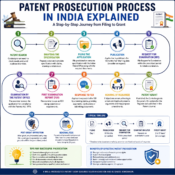
Protecting your invention is an important step for startups, entrepreneurs, and inventors. A patent gives you exclusive rights over your invention and prevents others from copying or using it without your permission.
However, the patent filing process in India can be complex. Many inventors make common mistakes during the process that lead to delays, objections, or even rejection of their application.
Understanding these mistakes can help you successfully complete patent registration in India and secure legal protection for your innovation.
In this guide, we will explore the top 10 mistakes to avoid during patent registration, along with practical tips to help you file a strong patent application.
Understanding Patent Registration in India
A patent is a legal right granted to an inventor that allows them to control the use of their invention for a certain period.
In India, patents are governed by the Patents Act, 1970 and administered by the Indian Patent Office.
Once granted, a patent provides protection for 20 years from the filing date.
But to obtain this protection, inventors must carefully follow the patent filing process in India and avoid common errors that may weaken or invalidate their application.
Top 10 Mistakes to Avoid During Patent Registration
Here are the most common mistakes that inventors make when applying for patent registration in India.
1. Not Conducting a Patent Search
One of the biggest mistakes inventors make is skipping the patent search before filing an application.
A patent search helps determine whether a similar invention already exists.
Why This Is a Problem
If your invention has already been patented, your application will likely be rejected.
Example
Suppose you invent a new smartphone charging system, but a similar technology has already been patented globally. Without a search, you may waste time and money filing an invalid application.
How to Avoid This Mistake
Always conduct a professional patent search using patent databases before starting the application.

2. Publicly Disclosing the Invention Too Early
Many inventors accidentally disclose their inventions before filing a patent application.
This can happen through:
- Startup pitches
- Product demonstrations
- Social media posts
- Research publications
Why This Is a Problem
Patent law requires novelty. Once your invention becomes public, it may lose its eligibility for patent protection.
How to Avoid This Mistake
File a provisional patent application before sharing your invention publicly.
3. Poorly Drafted Patent Applications
Patent drafting is one of the most technical parts of the patent filing process in India.
Many applicants try to draft their patents without proper legal or technical knowledge.
Why This Is a Problem
A poorly written patent application may:
- Limit the scope of protection
- Cause legal loopholes
- Lead to rejection
Example
If your claims are too narrow, competitors may slightly modify your invention and avoid infringement.
How to Avoid This Mistake
Work with a professional patent expert or patent agent for proper drafting.
4. Filing the Wrong Type of Patent Application
Many inventors do not understand the difference between provisional and complete patent applications.
Common Types
- Provisional application
- Complete application
- Convention application
- PCT application
Why This Is a Problem
Filing the wrong type may delay the patent registration in India process.
How to Avoid This Mistake
Consult a patent professional to determine the correct filing strategy.
5. Incomplete Documentation
Patent applications require several documents during filing.
Common required documents include:
- Patent application form
- Specification document
- Statement and undertaking
- Declaration of inventorship
- Drawings (if applicable)
Why This Is a Problem
Missing documents can delay or invalidate your application.
How to Avoid This Mistake
Prepare a checklist of required documents before filing.
6. Ignoring Patent Eligibility Requirements
Not every invention qualifies for patent protection.
Under the Patents Act, 1970, an invention must satisfy three main criteria:
- Novelty
- Inventive step
- Industrial applicability
Example
A simple modification to an existing product may not qualify as an invention.
How to Avoid This Mistake
Conduct a patentability assessment before filing.
7. Missing Important Deadlines
The patent filing process in India involves several strict deadlines.
Some important deadlines include:
- Request for examination
- Response to examination reports
- Filing complete specification after provisional application
Why This Is a Problem
Missing deadlines may lead to the abandonment of your patent application.
How to Avoid This Mistake
Maintain a clear timeline and monitor all deadlines carefully.
8. Writing Weak Patent Claims
Patent claims define the legal scope of protection for your invention.
Why This Is a Problem
Weak claims can allow competitors to copy your invention with minor changes.
Example
If a patent claim is too narrow, competitors may modify small features to avoid infringement.
How to Avoid This Mistake
Ensure claims are:
- Clear
- Broad enough for protection
- Technically accurate
Professional drafting helps ensure strong claims.
9. Not Responding Properly to Examination Reports
After filing a patent application, the patent office issues a First Examination Report (FER).
This report may include objections or questions.
Why This Is a Problem
Failing to respond properly can result in rejection of the application.
How to Avoid This Mistake
Provide detailed explanations and amendments to resolve objections.
10. Trying to File a Patent Without Expert Help
Many inventors try to handle the entire patent registration in India process themselves.
While it is legally possible, it often leads to mistakes.
Why This Is a Problem
Patent law involves:
- Technical documentation
- Legal interpretation
- Strategic drafting
Without expertise, applications may fail.
How to Avoid This Mistake
Work with experienced patent professionals who understand the patent filing process in India.
Tips for Successful Patent Filing
To increase the chances of successful patent registration in India, follow these best practices:
1. Conduct a Thorough Patent Search
Ensure your invention is unique before filing.
2. Document Your Invention Properly
Maintain detailed records including:
- Drawings
- Technical descriptions
- Development notes
3. File Early
Filing early helps secure the priority date of your invention.
4. Use Professional Patent Drafting
Well-written claims strengthen patent protection.
5. Monitor Application Progress
Track deadlines and respond to patent office communications promptly.
Frequently Asked Questions (FAQ)
1. Can patent applications be rejected in India?
Yes. Applications may be rejected if the invention does not meet patentability criteria or if documentation is insufficient.
2. How long does patent registration take in India?
The process typically takes 3 to 5 years, depending on examination and complexity.
3. Can I file a patent application myself?
Yes, but professional guidance is recommended to avoid mistakes in the patent filing process in India.
4. What is the most common mistake during patent filing?
The most common mistake is not conducting a patent search before filing.
5. What happens if I miss a patent deadline?
Missing deadlines may result in abandonment of the patent application.
Get Professional Help for Patent Registration in India
Avoiding common mistakes is crucial to securing strong intellectual property protection.
If you have an innovative product, process, or technology, protecting it through patent registration in India can give your business a major competitive advantage.
Our experts can help you with:
- Patent search and eligibility assessment
- Professional patent drafting
- Complete patent filing process in India
- Responding to patent examination reports
🚀 Get a Free Patent Consultation Today
Contact our experts to learn how to register a patent in India and protect your invention with professional patent registration services.